

NHS Advice on Alcohol Consumption
Practical NHS guidance to help you drink more safely and reduce harms.
Hayling Pharmacy - Helping the local community in Hayling Island, North Hayling, Stoke, Eastoke, Mengham, West Town and beyond.
Understanding units
About Alcohol Units
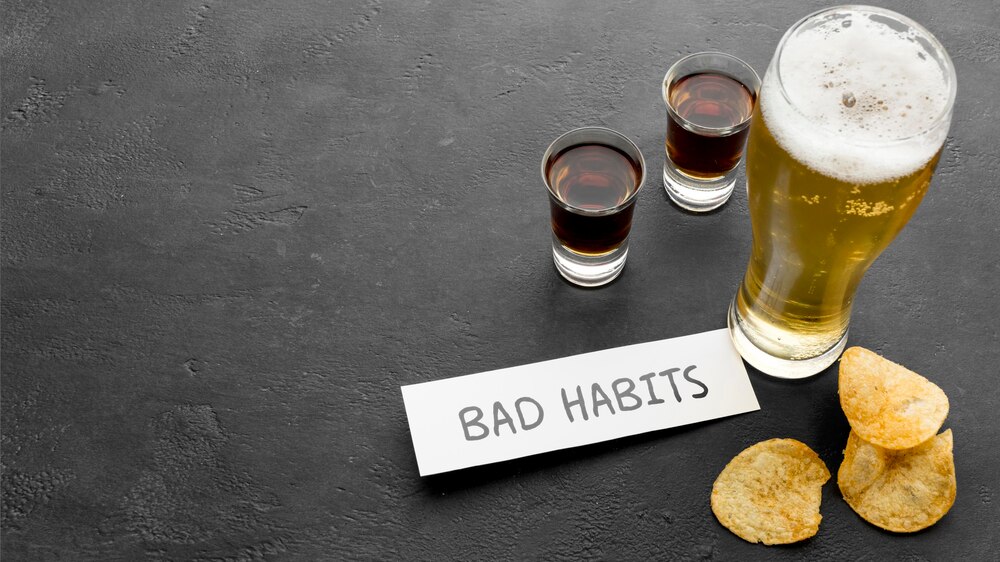
Many people underestimate how many units are in their drinks. The NHS sets lower-risk drinking guidelines to help reduce long-term harm. Learning to count units—based on drink strength and volume—helps you compare consumption to recommended weekly limits. Accurate unit awareness also highlights occasions of binge drinking and guides safer choices, like alternating with water or choosing lower ABV options.
Key Points & Advice
Following NHS guidance reduces immediate and long-term health risks. The weekly limit is a tool to help you monitor intake, not a target to reach. Short-term risks include accidents and impaired judgement; long-term risks include liver disease, cardiovascular problems, and certain cancers. If you take medicines, check interactions as alcohol can increase side effects or reduce effectiveness. For those wanting to cut down, brief pharmacy support, self-help plans, and specialist referrals can increase success and reduce withdrawal risks.
Realising you have a problem with alcohol is the first big step to getting help.
You may need help if:
- you often feel the need to have a drink
- you get into trouble because of your drinking
- other people warn you about how much you're drinking
- you think your drinking is causing you problems
Getting the right support can be crucial to maintaining control in the future. Only relying on family, friends or carers for this often is not enough.
Ask our Pharmacist about what longer term support is available in your area. Self-help or mutual aid groups (groups such as AA or SMART Recovery groups) are accessible in most areas.
Know the NHS weekly limits
Count alcohol units accurately
Watch medicine and alcohol interactions
Seek help when cutting down
Medication Safety
Check interactions between alcohol and prescriptions.
Health Screening
Assess risks like liver and blood pressure impact.
Referral Support
We can refer to specialist services or helplines.
Small changes, big impact
Practical Steps to Cut Down
Simple strategies can reduce intake: plan alcohol-free days, measure and record units, alternate drinks with non-alcoholic choices, and avoid triggers. If you feel dependent or experience withdrawal symptoms, seek professional help—sudden stopping can be dangerous. Our pharmacy consultations provide personalised tips, safer-reduction plans, and signposting to NHS or specialist addiction services when needed.
Set specific drinking-free days
Swap to lower-strength drinks
Check medicine interactions first
Use brief plans and goals
Frequently Asked Questions
Common questions about units, risks, and getting help.
What is a unit of alcohol?
A unit is 10ml (8g) of pure alcohol. Different drinks contain different units depending on strength and volume.
What are the NHS drinking guidelines?
The NHS offers weekly lower-risk drinking guidance to help limit long-term harm; check the latest NHS materials for exact figures and recommendations.
Can alcohol affect my medicines?
Yes. Alcohol can interact with many medications, increasing side effects or reducing effectiveness. Check with a pharmacist or GP.
How can I cut down safely?
Set goals, track units, choose lower-strength drinks, and seek brief support. For heavy dependence, get medical advice before stopping.
When should I seek specialist help?
Seek specialist care if you cannot cut down, experience withdrawal symptoms, or have health issues worsened by alcohol.